Texts in This Category
1 Clement
First Epistle of Clement to the Corinthians
Letter from Rome to Corinth (c. 96 CE) addressing church divisions, emphasizing apostolic succession and church unity, earliest evidence of Roman episcopal authority
1 Clement — Full Summary & Context →Letters of Ignatius
Seven Epistles to the Churches
Seven letters from martyred Bishop of Antioch (c. 107-117 CE) en route to Rome, emphasizing monarchical episcopate, Eucharist as medicine of immortality, refuting Docetism
Letters of Ignatius — Full Summary & Context →Polycarp to the Philippians
Epistle of Polycarp
Letter from 86-year-old Bishop of Smyrna to Philippi (c. 110-140 CE), disciple of John, later martyred refusing to deny Christ
Polycarp to the Philippians — Full Summary & Context →The Shepherd of Hermas
Visions, Mandates, and Similitudes
Lengthy apocalyptic work (c. 140-155 CE) addressing post-baptismal sin through 5 visions, 12 mandates, 10 parables, near-canonical status, in Codex Sinaiticus
The Shepherd of Hermas — Full Summary & Context →Epistle of Barnabas
Allegorical Interpretation
Anti-Jewish allegorical interpretation of Old Testament (c. 70-135 CE), Two Ways teaching, Jews punished for crucifying Jesus, considered scripture by Clement Alexandria
Epistle of Barnabas — Full Summary & Context →Epistle to Diognetus
Early Christian Apology
Anonymous 2nd-century apology explaining Christianity to a pagan inquirer, Christians as 'soul of the world,' elegant defense of why Christians reject both paganism and Judaism
Epistle to Diognetus — Full Summary & Context →Martyrdom of Polycarp
First Christian Martyrology
Earliest detailed Christian martyrdom account (c. 155-160 CE), 86-year-old bishop refuses to deny Christ, burned at stake, flames arch around him, stabbed when fire fails
Martyrdom of Polycarp — Full Summary & Context →📖 Read FREE on Kindle Unlimited
All editions below are included with your KU subscription at no extra cost.
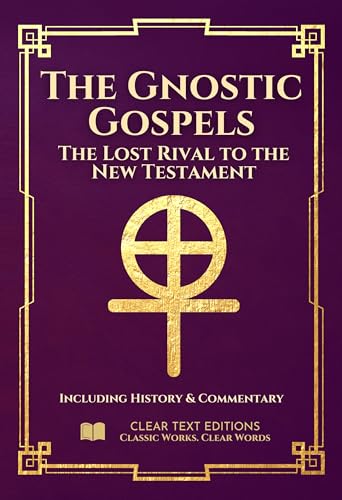
Including: Thomas, Mary, Philip, Judas, and the Nag Hammadi Library
Read FREE on Kindle Unlimited →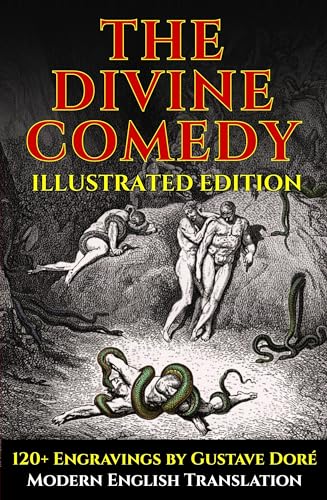
Inferno, Purgatorio, and Paradiso with 120+ Gustave Doré Illustrations
Read FREE on Kindle Unlimited →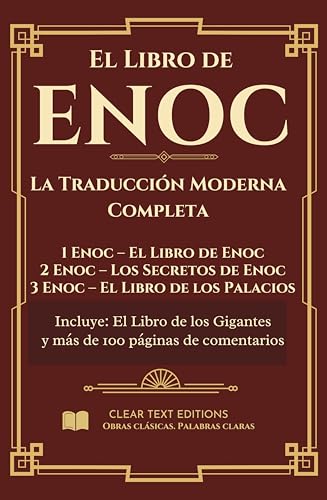
1 Enoc, 2 Enoc, 3 Enoc, Libro de los Gigantes
Read FREE on Kindle Unlimited →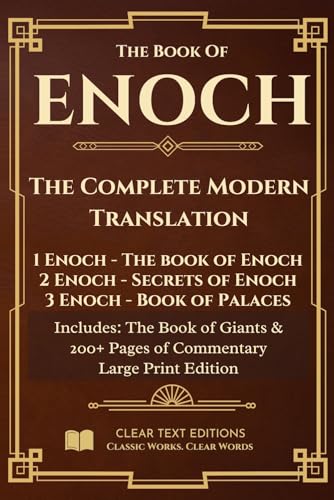
1 Enoch, 2 Enoch, 3 Enoch, Book of Giants
Read FREE on Kindle Unlimited →
Everything You Want to Know About Forbidden Christian Texts in Plain English
Read FREE on Kindle Unlimited →