Texts in This Category
3 Corinthians
Anti-Gnostic Correspondence
Apocryphal exchange between Corinthians and imprisoned Paul combating docetic heresies, part of Acts of Paul, canonical in Armenian church until modern era
3 Corinthians — Full Summary & Context →Epistle to the Laodiceans
Pauline Pastiche
Short Latin forgery (20 verses) clumsily compiled from Philippians and other Pauline letters to fill 'gap' from Colossians 4:16, circulated in medieval Bibles
Epistle to the Laodiceans — Full Summary & Context →Epistula Apostolorum
Letter of the Apostles
51-chapter anti-Gnostic revelation dialogue from 11 apostles emphasizing Christ's physical resurrection, Peter touching nail wounds, refuting Simon Magus and Cerinthus
Epistula Apostolorum — Full Summary & Context →Correspondence of Paul and Seneca
Philosophical Fiction
14 forged letters (8 from Seneca, 6 from Paul) dated 58-64 CE presenting mutual admiration between apostle and Stoic philosopher, 4th-century Christian apologetic
Correspondence of Paul and Seneca — Full Summary & Context →📖 Read FREE on Kindle Unlimited
All editions below are included with your KU subscription at no extra cost.
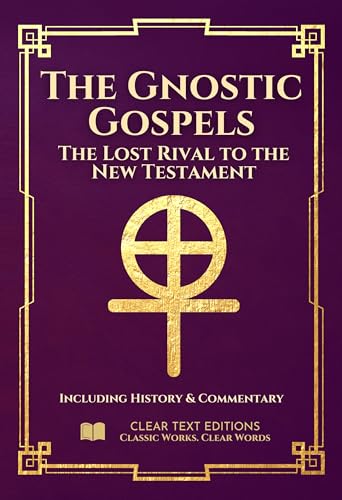
Including: Thomas, Mary, Philip, Judas, and the Nag Hammadi Library
Read FREE on Kindle Unlimited →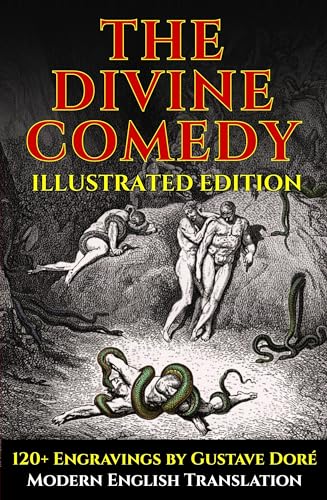
Inferno, Purgatorio, and Paradiso with 120+ Gustave Doré Illustrations
Read FREE on Kindle Unlimited →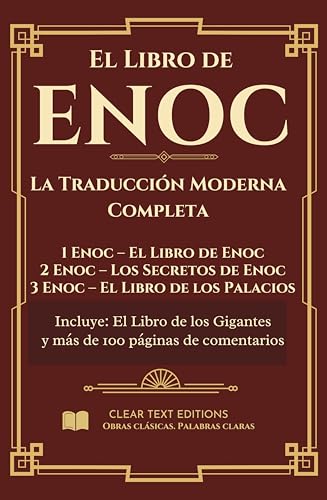
1 Enoc, 2 Enoc, 3 Enoc, Libro de los Gigantes
Read FREE on Kindle Unlimited →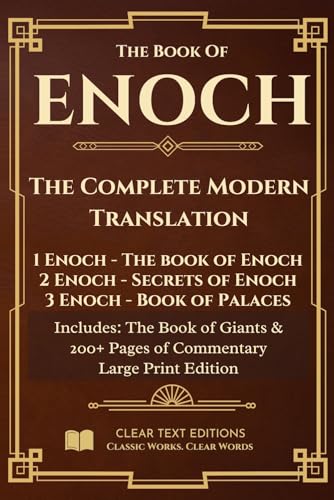
1 Enoch, 2 Enoch, 3 Enoch, Book of Giants
Read FREE on Kindle Unlimited →
Everything You Want to Know About Forbidden Christian Texts in Plain English
Read FREE on Kindle Unlimited →